Wasenshi Do: A Holistic Approach to Martial Arts and Self-Development
Wasenshi Do is a unique martial arts system that integrates a diverse range of disciplines, primarily rooted in Ninjutsu, Taijutsu, Judo, and Jiu-Jitsu, while also incorporating elements of Karate, Taekwondo, and internal arts such as Tai Chi, Yoga, and Qigong. Beyond physical training, we embrace mental health techniques drawn from Western psychology, Cognitive Behavioral Therapy (CBT), and Eastern philosophies including Yoga, Buddhism, and Taoism, but with a western scientific grounded direction. This fusion creates a well-rounded approach that strengthens both the body and the mind.
A little bit about me:
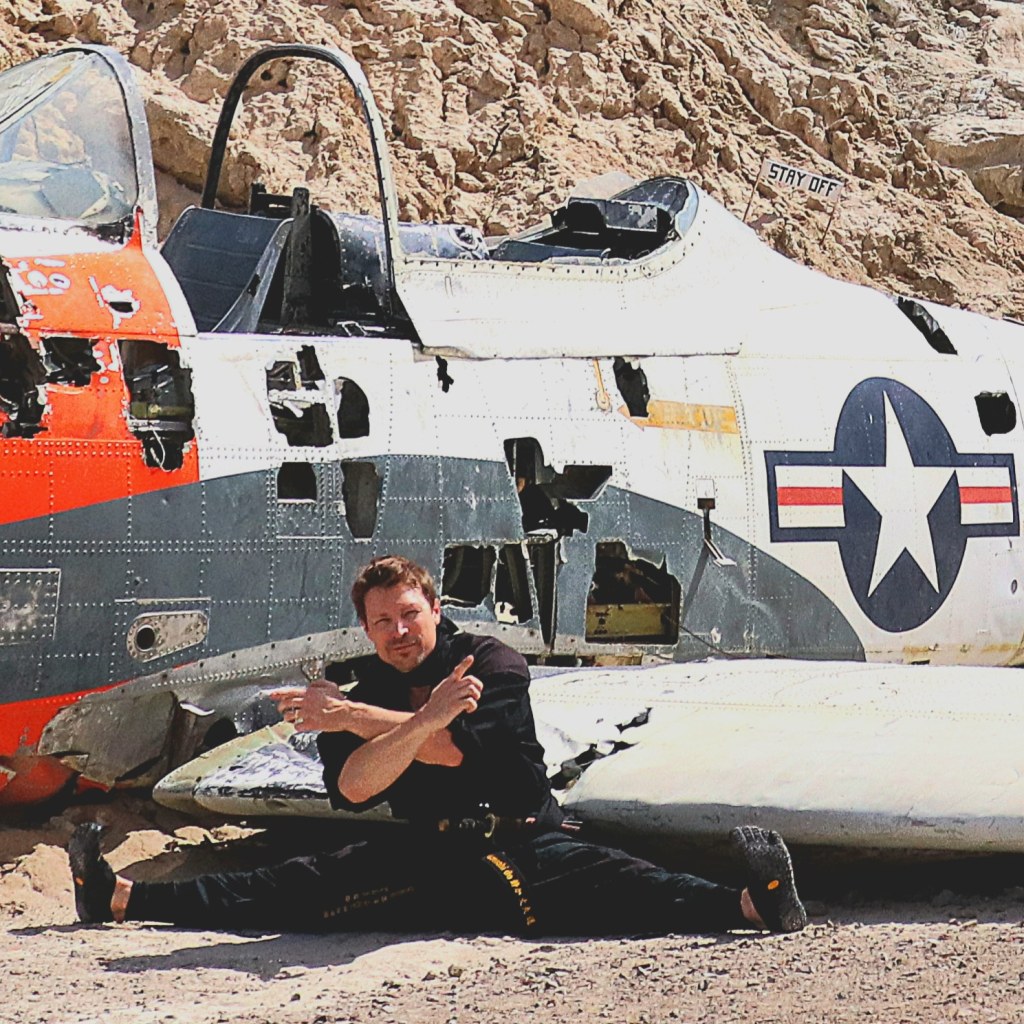
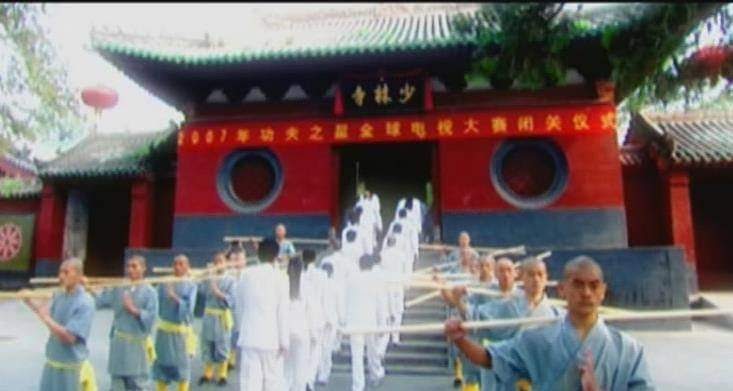
My journey really started when I left my small town in Wisconsin when I was 22 years old with a dream of becoming a martial artist on the big screen, pursuing a full time career in martial arts. I did end up on the big screen for three hundred million people in China to see. Filming a little show called “KungFu Star – Global Competition.” Little did I know that this journey would become the beginning of my healing journey, the path that would transform my life in ways I never imagined. I know that might sound a little cheesy or cliché but, it’s true. From that moment on, I dedicated myself to growth, self-discovery, self-mastery and healing. I was thirsty for it, a relentless seeker who couldn’t get enough.
Along my path, I was blessed to learn from an incredible array of teachers and healers. I met shamans, yogis, healers, medicine people, mountain people, chiropractors, western doctors, mediums, clairvoyants, psychologists, Master martial artist and more. I began experimenting with natural medicines, trying anything that could offer relief and healing. I was desperate but determined. Each lesson, each experience, helped me move forward, leveling up in my understanding and my healing.
I just finished my book about how I overcame PTSD and chronic illness and how you can to. It will be available soon. There are snippets that are on the website here that are (out of date to be honest).
“I traveled around the world, to places like Thailand many times, China, Hawaii for many months at a time. Europe, Netherlands, Australia, NZ, Belize. All over the States, Mexico, Canada. I did Health coaching and taught Martial arts, not in all but most of those places. Teaching at a castle fort in the Netherlands. On remote beaches in Hawaii, on many small islands in Thailand and a Ninja obstacle course on a huge mansion bungalow and land also in Thailand. Trained 18 hours a day with the Shaolin Monks in Northern China while being on a major TV show. And more.”
I began to build a toolbox of powerful techniques and wisdom—
tools that have guided me on my journey and continue to do so. Now I feel a deep passion for helping, guiding, and coaching others on their own paths. There’s nothing more fulfilling than helping someone improve their life, no matter how big or small the change is. It’s the greatest feeling in the world, and it’s why I’m here. I want to share what I’ve learned and to be a guiding light for others on their own path to healing and growth.
Our classes follow a semi-traditional teaching format, emphasizing personal development over combat. While self-defense is an essential skill, our focus is on cultivating strength, resilience, and balance—physically, mentally, and emotionally. Martial arts at Wasenshi Do is not just about learning techniques; it is a path toward self-mastery, inner stability, and a healthier way of life.
Why This Matters
A stronger, more conditioned body operates more efficiently, supporting a better immune system, increased energy levels, and improved overall health. This vitality allows individuals to pursue their goals with greater focus and endurance. Just as important, training prepares the body to handle stress more effectively—a critical skill in today’s fast-paced world. Stress is an unavoidable part of life, influencing our decisions, emotions, and well-being. Instead of letting it dictate our path, Wasenshi Do empowers students to develop the tools to manage stress, recover from challenges, and cultivate lasting resilience. Through this training, individuals learn not only how to move and defend themselves but also how to move through life with confidence, strength, and clarity.
The Benefits Extend Beyond the Dojo
With improved stress management comes better sleep, allowing the body to recover and recharge more effectively. As an old adage says, “Martial arts isn’t just about fighting bad guys and bandits, but about fighting disorder and disease.” Being able to “fight” disorder in your own life and be more resilient to stress in life. You can be a stronger person for those around you as well.
True martial arts training strengthens both the body and the mind, creating a foundation for better digestion, metabolism, and overall resilience in handling life’s challenges. When stress is managed efficiently, pain levels decrease, flexibility improves, and stamina increases, leading to a healthier, more balanced life.
In addition to martial arts, we offer Thai Yoga, an essential practice for pain management and mobility. This practice enhances flexibility, circulation, and relaxation, making it a vital complement to martial arts training.
Historically, martial arts was never just about combat—it was a complete system for the mind, body, and spirit, rooted in the balance of Yin and Yang. Over time, as martial arts evolved into military training, elements like yoga, meditation, and breathwork were removed. However, at Wasenshi Do, we honor the original holistic approach, integrating these ancient practices back into our training.
A great example of this philosophy can be seen in Kung Fu, which roughly translates to “developing oneself in a skillful way.” It is not limited to fighting but applies to any discipline that requires dedication and mastery—whether it’s becoming a doctor, lawyer, scientist, farmer, chef, or mechanic. True martial arts is about self-cultivation, personal excellence, and the pursuit of balance in all aspects of life.
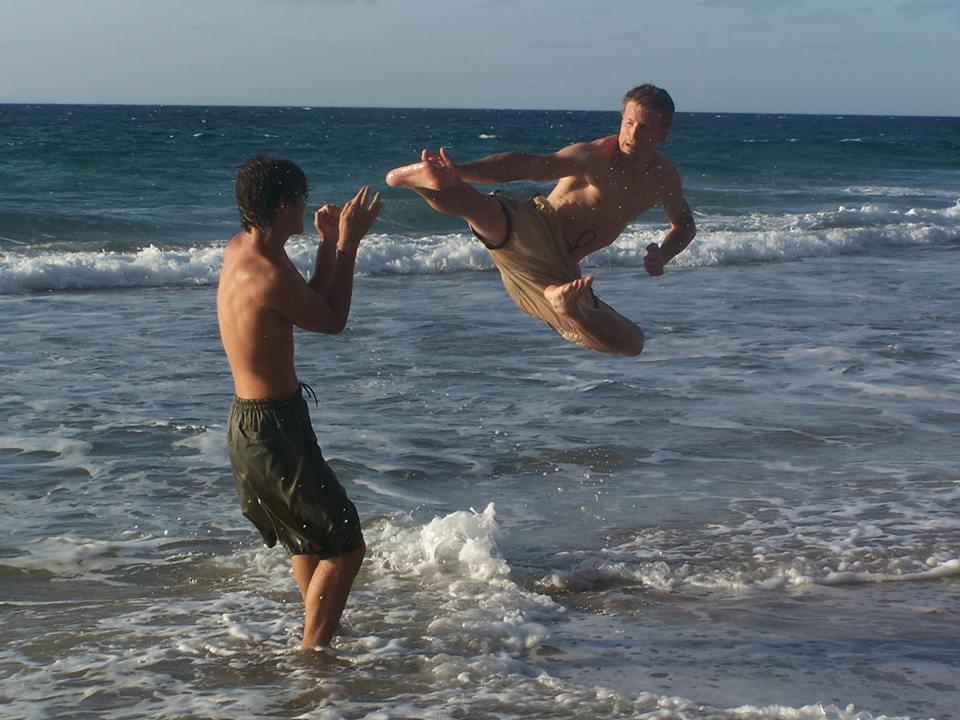
Wasenshi Do Ryu Martial Arts
“The Path of the Peaceful Warrior”
What does Wasenshido consist of? Wasenshido is a Combination Mixed Martial Art, consisting of many “styles” or “art forms” including, but not limited to:
- Ninjutsu
- Shinobi no Jutsu
- Taijutsu
- Special Forces Tactics
- Bodyguarding Tactics
- Secret Service & Intel service Tactics (Self-defense only)
- Jiu-Jitsu
- Dakentaijutsu
- Taihenjutsu
- Bujinkan Budo Taijutsu
- American Ninjitsu
- Koga Yamabushi Ryu Ninjitsu
- Tae Kwon Do
- And more…
Belt Progression:
“White Belt represents pure potential”
People might not want to start” as a white Belt or any belt because then they’ll be a “white Belt forever.” Well, put it this way, right now you’re a NO Belt forever, so might as well be a white Belt forever.
At least you’ll have the opportunity to become a higher rank. People tend not to want to feel the obligation once you start. What if I said this, “feeling an obligation” is a natural born right to have in this life. It’s better to feel something than to feel nothing at all….
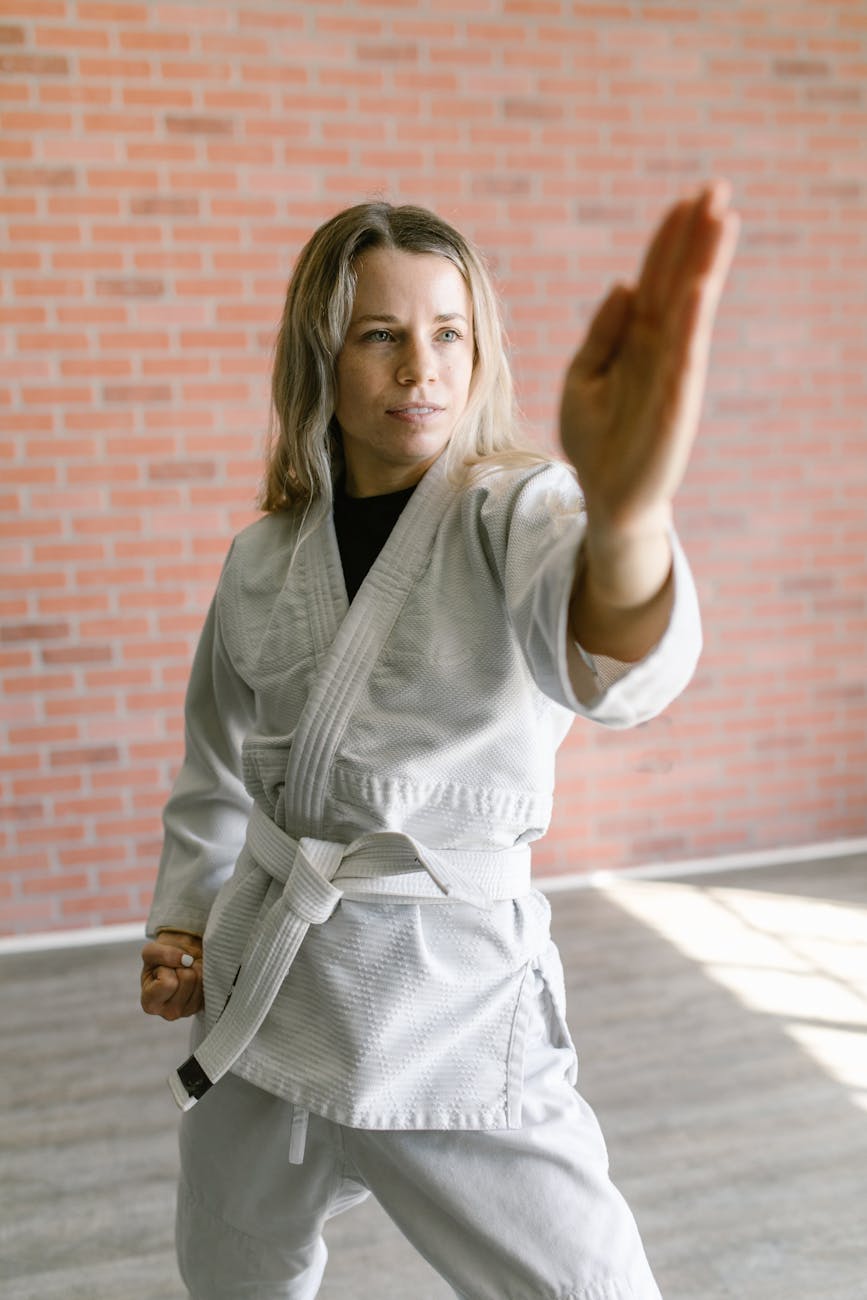
In Wasenshi Do Ryu Ninjutsu, each belt level represents a stage of personal growth and mastery, integrating body, mind, and spirit. The progression through the belts is not just about physical ability, but also about developing deeper self-awareness, discipline, and understanding of the art. Each level builds on the previous one, encouraging students to become more skilled and insightful as they advance on their path.
Student Abilities and Skills:
- Strength
- Agility
- Balance
- Stamina
- Spirit
- Intelligence
Each belt will have goals to achieve, with checkpoints within each level
White Belt – “Hajime – 初め”
“Begin” “Start”
“White light is pure potential”
“The Boring Belt”
Foundation & Balance
As a White Belt, students begin with the essentials of *Wasenshi Do*, focusing on physical conditioning, flexibility, and the development of basic strength. Training includes warm-ups, calisthenics, and dynamic stretching to prepare the body for martial arts. This level emphasizes balance, a fundamental skill in *Wasenshi Do*, which is necessary for maintaining stability, especially when carrying extra weight or engaging in grappling techniques like kumi-uchi.
At the White Belt level, students learn the importance of stances, or *kamae*, which form the foundation for all physical movements. Practicing stances like the horse stance, side stance and defensive stance, students build lower body strength and develop a centered base for all future techniques. The stances teach grounding, stability, and balance, laying the groundwork for offensive and defensive maneuvers.
Chapter 1: Stances (Kamae)
Foundational Training – Building Strength, Balance, and Stability and setting the groundwork for More advanced techniques.
- Horse stance/ Side stance
- Defensive stance
Chapter 2: Dakentaijutsu – Striking
- Punch
- Palm heel
- Foot stomp
- Front snap
Chapter 3: Ukemi – Rolls & Falls
- Forward roll
- Forward fall
Chapter 4: Calisthenics & Stretching
- Pushup
- Jumping jacks
- Squats/ Squating
- Dynamic stretching
- Cat cow
- Seated stretches
Chapter 5: Ninja – Spycraft Newb:
- Observe Surroundings simply
- Handshake trick & Thumb jam
Goals for Stances
- Hold each stance for 60 sec.
- Perform 1 offensive and defensive application for each
Goals for Striking
- Perform all strikes correctly
- 1 application for each strike
Goals for Rolls & Falls
- Perform all techniques correctly
- 1 Application for each
- 2 rolls in succession
- Forward fall directly into forward roll
Goals for Calisthenics
- Know these calisthenics/ Stretches and perform then correctly
Orange Belt
“Hizashi 日差し – ”Sunlight – Sun rays”
“You are starting to shine bright with light and warmth”
“Yang – Fire – Masculine”
“Panther/Tiger”
Progressing to the Orange Belt, students focus on enhancing their accuracy and control. Training exercises are introduced to improve hand and foot coordination, encouraging students to focus on precise movements and control. Concepts like triangulation are explored, helping students understand how to position their bodies to optimize balance and effectiveness in both offense and defense.
Orange Belt students begin to train their reflexes, engaging in drills that test and enhance reaction times. Exercises such as dodging and dipping to build the muscle memory needed to respond quickly and instinctively. This phase develops the student’s ability to remain alert and adaptive, preparing them for unpredictable encounters.
Chapter 1: Kamae – Stances
- Triangulation
- Horse Stance/ Side stance
- Defensive Stance
- Combat Stance
Chapter 2: Ukemi – Rolls & Falls
- Forward Roll
- Forward Fall
- Reverse Roll
- Back Fall
Chapter 3: Dajentaijutsu – Striking
- Palm heel
- Boxing/ Jab/Cross/ Hook
- Vertical fist
- Forearm
- All front kicks
- Low Round kicks
- Start learning isometric slow strikes
- Reaction Time drills (dropping item and catch it)
Chapter 4: Weapons
- Nunchaku
- Knife
Chapter 5: Evasion
- Dodge
- Parry
- Block
Chapter 6: Nage Waza
- Basics
Chapter 7: Ninjutsu – Spycraft
- Walking with confidence and focus
- React confidently with logic instead of emotions and with fear
Chapter 8: Calisthenics
- All previous
- Basic mobility techniques
Goals for Stances
- Perform all correctly in succession
- 1 application for each
- Add Strike for each stance
Goals for Ukemi
- Perform all correctly
- 3 different rolls in a roll
- Know 1 application for each
Goals for Striking
- Perform all strikes correctly
- Perform a reaction time drop
- 60 sec of focused isometric strikes
Goals for weapons
- Perform very basic handling and manipulation of weapon
- Perform 5 striking angles with both
Goals for Evasion
- Dodge a punch and a kick
- Parry and punch and a kick
- Block and punch and a kick
Goals for Calisthenics
- Preform all calisthenics up until now
- Perform several stretches
Purple Belt ”智 Chi” “knowledge and intelligence”
“Begin to tap into your Intuition”
“Air Element” “Increased Efficiency”
“Starting to become a scholar – Seeking knowledge and understanding”
“Speed, Power, and Self-Defense
Harnessing Explosive Force”
At the Purple Belt level, students are introduced to techniques that cultivate speed and power. Through isometric training and exercises like *Fah Jing*, students learn how to generate explosive force from relaxed movement. This training hones both physical power and agility, enabling students to strike swiftly and effectively.
Self and Environmental Defense – Awareness and Adaptation
In this phase, students expand their understanding of self-defense by exploring the importance of spatial and environmental awareness. Training includes techniques to develop *geospatial awareness*, teaching students to use their surroundings to their advantage. Practitioners also learn basic falling techniques to minimize injury, honing their skills to navigate any terrain or obstacle.
Chapter 1: Kamae – All Stances
- Triangulation
- Horse Stance/ Side stance
- Defensive Stance
- Combat Stance
- Boxing stance
- Cat stance
- Knife stance
- Low defensive stance
Chapter 2: Ukemi – All Rolls & Falls
- Forward Roll
- Reverse Roll
- Side Roll
- Forward Fall
- Back Fall
- Side Fall
Chapter 3: Dakentaijutsu/Striking/Taijutsu
- Palm heel
- Boxing/ Jab/Cross/ Hook/ uppercut
- Vertical fist
- Forearm
- Knife hand
- All Kicks
- Front
- Side
- Round
- Back
- Isometric slow strikes
- Reaction Time drills (dropping item and catch it)
- Coordination boxing ball with string
Chapter 4: Weapons – All angles of attack for each – Basic manipulation
- Knife
- Nunchaku
- Rokushaku Bo
- Stick
Chapter 5: Evasion
- Dodge
- Parry
- Block
- Run
Chapter 6: Kumi-uchi
- Kumi-uchi Stance
- Basic footwork & setup
- Pull off balance and off line
- Ganseki nage
Chapter 7: Ninjutsu – Spycraft
- Basic Evasion tactics
- Exits
- Memory of surroundings
- Objects for weapons/ distraction
- Think intelligence – Logic and Rationale and with Reasoning
- Awareness of surroundings
- Look objectively without judgements, see things as they are, non biased
Chapter 8: Calisthenics
- All previous
- Several Mobility techniques
- Several Yoga style stretches
- Basic Qigong Posture
Blue Belt “Yuuki – A courageous heart or spirit”
“The leader with you starts to flower”
“Yin” “Water Element” “Feminine” “Fluidity”
“Eagle – Taking flight – Mental Awareness”
Taihenjutsu – Advanced Body Movement and Partner Training
Blue Belt students start to master Taihenjutsu, Dakentaijutsu, Ukemi and continue with Rolls, Falls, Strikes, Weapons and stealth techniques. Through exercises like Ninja running, Stealth and Mental Awareness, they learn to move quietly and efficiently, cultivating skills that allow them to blend into their environment. Breath control and mental focus are emphasized, strengthening the mind-body connection and enabling students to move with both power and grace. This stage increases your peripheral vision, coordination, reaction time and inner courage.
Partner Training – Defense, Counters, and Control
At this level, students engage in partner training, applying their techniques in a controlled, interactive setting. Through exercises in punch and kick defense, grappling, and restraint, they learn to control an opponent with minimal force. This training reinforces the principles of nonviolent control, emphasizing technique over brute strength. Students also practice scenarios that include common self-defense situations, enhancing their adaptability and confidence.
Chapter 1:
- All Stances
- All Rolls & Falls
- All Striking
Chapter 2: Nage Waza
- More advanced
Chapter 3: Weapons
- Sword
- Shuko
Chapter 4: Speed – Accuracy – Reaction Time – Coordination
- Ball and string
- Drop and Catch
- Dodge and Parry speed
Chapter : Ninjutsu – BASIC Modern Spycraft
Red Belt “Jounetsu – Passion”
“Earth’s strength and fire’s passionate drive—harnessing your grounded power and physical mastery.”
“Fire and Earth – Yin and Yang”
Chapter 1:
All Stances
All Rolls & Falls
All Striking
Chapter 2: Nage Waza
Chapter 3: Weapons
Chapter : Ninjutsu – Spycraft
Black Belt
Balance, Flow, Sensitivity, and the Warrior Spirit
“Dragon Spirit – Represents all the Elements”
…………………
What are application of Ninjutsu for modern life and the modern person?
Ninjutsu philosophy first and foremost is about mindset.
- Have an open mind – free thinking
- Use what works in any given situation
- Mental adaptability and flexibility
- Adaptability and Flexibility
- Stealth and Secrecy
- Patience and Endurance
- Resourcefulness and Ingenuity
- Loyalty and Duty
- Mental Discipline
- The Art of Deception
Here are Keywords to describe Shinobi no Mono – Ninja (I don’t teach all of these techniques,just basics and knowledge of them)
● Spycraft/ Intel gathering/ counter intel
● Scouting/ surveillance
● Espionage
● Evading
● Deception
● Misdirecting/redirecting
● Stealth/ invisibility
● Shinobi no Mono
● Disguise
● Assassin
● Commando
● Psychological warfare
● Intelligence
● Guerrilla warfare
● Detailed strategy
● Surveillance
● Persuasion
Different names for Ninja in China and Japan
Japan Names for Ninja
● Yato
● Shinobi – Person who acts in Espionage, stealth, scouting and anything having to do
with Secrecy and Stealth such as assassination. Also symbolizes a “Heart like a blade”
which is the kanji for ninja/ shinobi.To do things wholeheartedly and with faith and
perseverance.
● Shinobi no jutsu – no mono
● Suppa
● Nokizaru
● Matsumoto
● Kyoudan - China names of Ninja/ninja skills/ actions
● Kan
● Cho
● Saisaku
● Yutei
● Kansai
● Yushi
● Kojin
Body
Mind
Spirit
Shinobi – the heart of an iron blade – system of ninjutsu is assumed toward bravery and Valour.
Courage in shinobi means sense of duty not brute courage.
A basic principle of Shinobi no jutsu is that it has in-nin and yo-nin at its roots, but it diversifies
itself into ever changing and countless styles, like that of the leaves and branches of a tree.
Principles and performance go hand in hand. Don’t be ignorant about either one over the other
one or you will not mature.
Benevolence – a man without, is not regarded as a human being.
Righteousness – is the guiding principle for decisions. Time, place and reason to use
Righteousness all depends. A healthy sense of shame as a guiding factor.
Loyalty – devotion
Fidelity – no mental falsehoods, fully truth Driven. Earth element. The other 3 above have to
have Fidelity or they can’t sustain.
Ninjutsu is best described as the collection of skills utilized by the Ninja while Ninpo, often
referred to as “the higher order of Ninjutsu,” implies a philosophy for living based on the
principles of Nin.
Nin translates into patience, but can also imply perseverance, or stealth. The Japanese
character for Nin consists of two parts or radicals. The upper radical is called yaiba which refers
to the cutting edge of a blade. The lower radical can be read either as kokoro or shin, both of
which mean heart.
The character po, which implies natural law, is used rather than do (i.e.. judo, kendo, aikido,etc).
Referring to our art as Ninpo rather than Ninjutsu stresses training which is concerned with the
internal development of the individual’s character along with the technical skills of martial
training. It isn’t enough just to know techniques, it is where your heart and spirit are as a person
that is important. For this reason, Ninpo stresses philosophic and spiritual training in conjunction
with the physical training. This refinement of one’s spirit is known in Japanese as seishinteki
kyoyo.
Here’s a birds eye view of Wasenshi Do:
1 Foundational
● Warm-ups
● Head to toe
● Calisthenics-pushups-pull up etc
● Dynamic stretching
●
Stances – Kamae
● Elemental – San shin
● Earth Air Water Fire
● Offensive
● Defensive
● Neutral
● Wuji – posture training
2 Accuracy and control
● Coordination
● Hands
● Feet
● Stepping/Triangulation
3 Speed and power
● Isometric training slow tense movement
● Fah jing
4 Reaction time
● Duck dip dodge
● Tetherball
5 Self and Environmental defense
● Spatial awareness
● Center of gravity
● Falling forward/ walls/ ground
● Falling back/side/ ground
6 Physical movements – Taihenjutsu
● Rolls and falls
● Ninja runs
● Triangulation
● Running -nanba
● Stealthing
○ Shinso – toho rabbit walking in deep grass, Stepping on your hands to walk
○ Side Stealth – fast Stealth
○ Breath control
○ Mind control
7 Partner training
● Defenses and counters
● Punch defense
○ Parry strike groin knife hand neck
○ Jam the attack
● Kick defense
● Tackle defense
● Sneak from behind defense
● From the ground
● Sweeps
● Restraints
● Grapples
● Control the head
● Bouncer Restraints- wrist/ fingers/ handshake/
● Shoot through under arm shoulder restraint
● Dragon roll head throw
● Bear hug
● Leg takedown forearm to knee
● Fall back kick person over you
● Hold down from behind by jacket
● From sitting prop up with hands behind, kick to shins groin body chin, then takedown
with one foot around foot and press on the inner knee
● Taichi push hands
Strength training
● Finger Strength
● Ankle and toe Strength
●
8 Striking
● Break ups
● Strikes kicks form
● Eyes, throat, groin, knees
● Palm heel, Elbow, knee, forearm
● Restraining fingers
● Open hands to face
● Pepper spray mace
● Keychain spike
● J ssSneak from behind
Weapons
● Environmental – Improvised weapons
○ Debris/metsubishi/blind
powder dirt. Underhand close straight up; long distant out the thumb hole; swipe
horizontal both ways
○ Hat
○ Belt/rope
○ Nut on a string
○ Pen
○ Blunt object against wrist
○ Clothing/scarf (with object inside of it)
○ Keys
○ Purse bag
○ Bottle glass etc
○ Shoe
○ Garbage can lid/ block
● Katana
● Knife
○ Defenses stab
○ Swing
○ Overhead
● Escrima
9 Yoga – Qigong – Taiji – Meditation
● Basic yoga asana
● Relax body-breath-mind-energy-spirit
● Wuji posture stance
● Basic qigong movements
● Golden ball
● Qigong Grounding meditation
● Purge tonify regulate
● Elemental meditation
● Your own Bonzai style art meditation
● ☯️ Yin Yang philosophy
● Qugong philosophy
○ Body-Breath flow, then mind can relax, then energy can flow, then spirit can
embody you more
10 Peripheral and proprioception training
● Peripheral focus training
● Standing on 1 foot
● Eyesight vision training
11 Flow – fluidity- water
● Stealthing – breath
○ Stealth attack
○ Making your voice seem like it’s further away than it is to deceive others
○ Eyes see movement first, then shape, then color
● Taiji basics
● Meditation – relax the mind
● Kung-fu soft hands partners
● YouTube video steven kotler flow state
○ 5 intrinsic motivators- curiosity, passion, purpose, autonomy(freedom to pursue
purpose), mastery(skills to pursue purpose well)
● Triggers
○ Novelty
○ Concentration
○ Unpredictability
○ Awe
○ Complexity
● Motivators
○ Curiosity
○ Passion
○ Purpose
○ Autonomy
○ Mastery
● Perception vs perspective
○ Put yourself in the shoes of the other person, what are they thinking, feeling,
problems they have etc
○ Interpretation of self and surroundings, society/ community
○ Are you in your feeling and emotions or are you seeing the world really how it is
in the moment?
● Intention – changing bad habits to good instincts, good serving nature
● We naturally have 6th sense, when someone looks at us there is something in our brains
that sense it
12 Sensitivity – Softness
● Thai massage basics
● Yoga hands
● Coin bloodsport trick
● Hold a light object and hold as soft as you can before it falls
13 cognitive behavior therapy – Seishin
● Spirit – Mental – philosophy
○ 1. Adaptability and Flexibility
○ 2. Stealth and Secrecy
○ 3. Patience and Endurance
○ 4. Resourcefulness and Ingenuity
○ 5. Loyalty and Duty
○ 6. Mental Discipline
○ 7. The Art of Deception
● Psychological Warfare – over power opponent with mental power and psychology and
protecting thoughts (you are so slow, you can’t touch me, I’m faster and stronger then
you, you are weak etc)
Wasenshi Do Terms and symbols:
- Godai – 5 elements –
- Earth – wind – water – fire – void
- Senshi – warrior 戦士
- Wa senshi do – peaceful warrior –
- Kaizen – 改善 positive change, improvement, productivity and efficiency
- Ji-yu – “Ju” in jutsu means gentle/ supple
- Heiwa no senshi do – the way of the peaceful warrior 平和の戦士
- Peaceful – Heiwa – 静か
- Senshi – warrior – 丈夫
- Do – the way the path – 道 静か 丈夫 道
- TaiShigusa-do – the way and desire of movement or action
- たい 仕草 道
- Shinto – Shintoism – Japanese similar to taoism
- Satoyama – living harmony with nature
- 里山
- Balance – Baransu 均衡
- Baransu Do – The way of Balance
- Seishin – Spirit – Mind 精神 – (correct mind)- benevolence, righteousness, loyalty, fidelity
- Ikigai 生き甲斐 passion that gives value and joy to life
- I’ll do my best to find my dreams and goals, or the simple phrase
- 前向きにね – Mae muki ni ne
- Seichou – growth
- Harmony (wa) and peace 平和 Heiwa to chōwa
- Wellness – erunesu ウェルネス Kenkou – 健康
- Earth – Tiger panther Turtle
- Water – Dolphin Turtle
- Fire – Cobra
- Wind – Eagle
- Mizu – water
- Jonetsu – Fire – passion fervor enthusiasm
- Tiger- Physical
- Eagle – Mental
- Dragon – Spirit /Balance
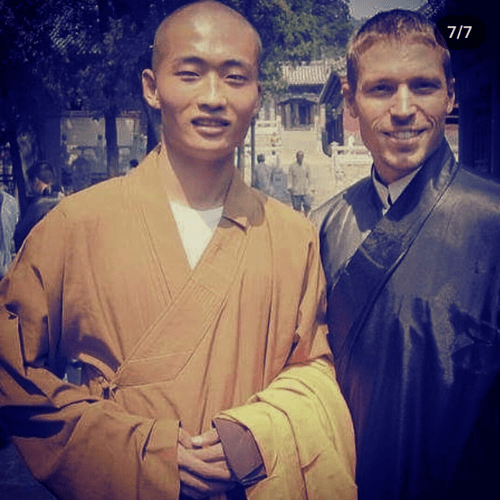
Master Yimbing – Northern Shaolin Temple 

武 Bu is the first kanji in the name of our martial art, 武神館 Bujinkan. The kanji 神 Jin (or Kami)
means divine or enlightened, it can even mean God. The kanji 館 Kan means a castle or hall.
Typically, the Bujinkan is translated to mean the Hall of the Enlightened Warrior, or Hall of the
Divine Warrior.
Origins of the Ninja point to the iga prefecture, igu Ueno castle
Wuwei – effortless action
Wuji – Non duality – emptiness – absolute – infinite potential
● Taiji – comes out from wuji and is Yin yang – duality
Zanshin – awareness – of self and mind
MYTHS
● Shoes made like animal prints thought Ninja would shape-shift.
● Make sounds that seemed further away that made them move like lightning fast.
● People in 1500 couldn’t conceive of a 2 dimensional drawing or let alone 3D. So they
thought more simply.
What Martial Arts – Kung-Fu teaches you:
1 focus
2 discipline
3 humility
4 philosophy
5 respect
6 Code of honor
7 inner strength
8 pride
9 egolessness
10 Calmness
11 awareness
12 self-defense
13 weapons
14 multiple attackers
15 goals
15 completing things
16 mental strength
17 physically testing yourself
18 a way of life
19 building ones confidence
20 constantly learning new techniques
21 team work
22 using kung fu for better relationships
23 how to develop your mind as well as your body. It teaches traditional values what kung fu has
taught for centuries and is still taught today
24 Kung fu is more that just a kick or a punch it teaches so much more
25 kung fu can help you when you’re down or stressed out or depressed. or not knowing what
direction to go
26 kung fu helps you to make decisions to get things done
27 Kung fu also helps with procrastination to not put things off but get things done
28 Helps connect all parts of your brain
29 Gives a you second family your kung fu brothers and sisters. making new friends. Kung fu
can build you mind and body that in such a positive way that it stays with you for the rest of your
life. kung fu can teach.you so many things besides.just fighting alone its so much more than that
it is bottomless like the ocea
 WasenshiDo Ryu LLC